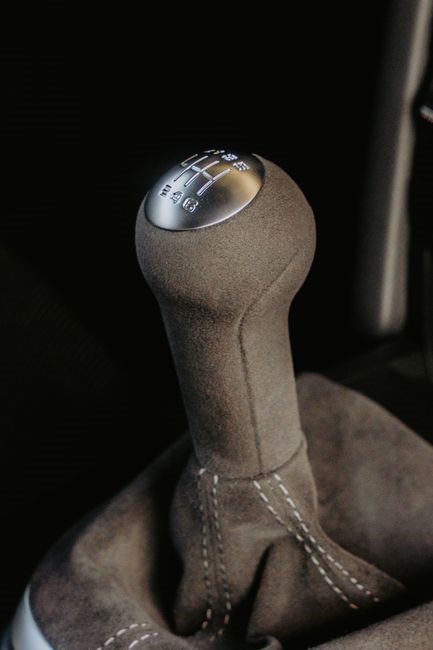
Overview of JL 6-Speed Manual Transmission in Jeep Wrangler
The JL 6‑speed manual, debuting in 2018, blends durability with off‑road prowess. It offers smooth shifts, robust torque capacity, and a 4.11:1 final drive, making it a staple for Jeep enthusiasts worldwide. — reliable gear
Historical Development and Model Years
The Jeep Wrangler’s journey with a 6‑speed manual began in the early 2000s with the TJ generation, where a 2005 4.0‑liter V6 paired with a 6‑speed gearbox became a cult favorite among off‑road purists. In 2010, the JK platform carried forward this legacy, offering the same robust transmission across the Rubicon, Sahara, and Sport trims, and cementing the 6‑speed’s reputation for durability and torque handling. The 2018 JL generation marked a significant evolution; the new 6‑speed manual was redesigned for improved shift feel, reduced weight, and better integration with modern electronic controls, while maintaining the classic 4.11:1 final drive ratio that had defined the Wrangler’s off‑road character. Throughout its lifespan, the 6‑speed manual has been available in a variety of engine pairings—3.6‑liter V6, 4.0‑liter V6, 4.0‑liter V8, and 6.4‑liter V8—providing a versatile platform for both everyday driving and extreme terrain. The transmission’s continued presence in the JL lineup, even as newer models introduce 8‑speed automatics, underscores its enduring appeal to enthusiasts who value manual engagement and mechanical simplicity. By 2026, the 6‑speed manual remains a cornerstone of the Wrangler’s identity, celebrated for its blend of heritage, performance, and reliability across multiple generations and engine configurations.
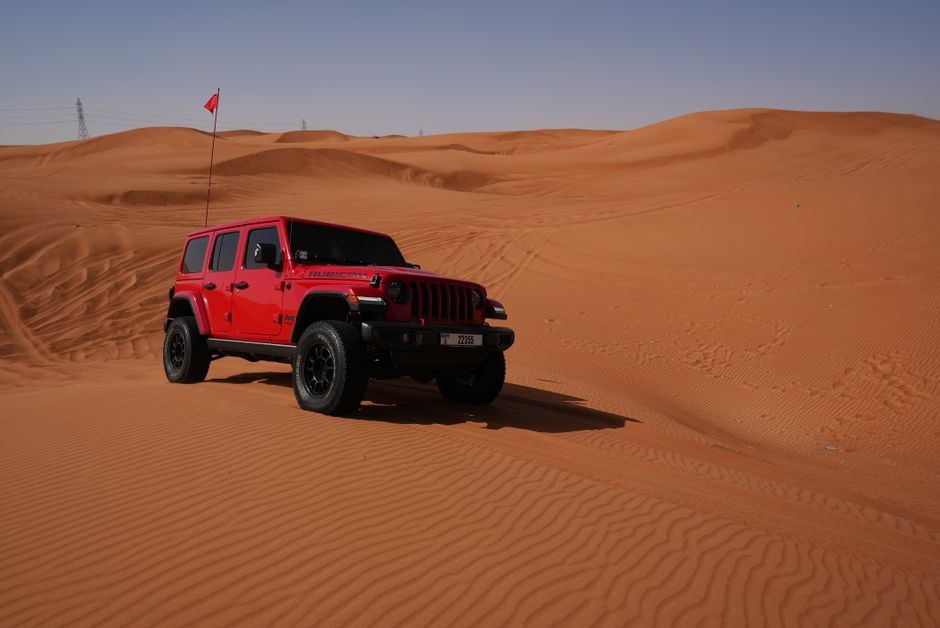
Technical Specifications and Gear Ratios
The JL 6‑speed manual has 6 forward ratios: 3.55, 2.09, 1;46, 1.00, 0.78, 0.63, a 4.11:1 final drive, delivering torque daily and smooth shiftsdailyfor off‑road use.
Primary Gear Ratios and Final Drive
The JL 6‑speed manual’s primary gear ratios are 3.55, 2.09, 1.46, 1.00, 0.78, and 0.63. These ratios provide a blend of low‑end torque for off‑road crawling and high‑speed efficiency for highway cruising. The final drive is a 4;11:1 gear set, which, combined with the 4.11:1 transfer case, delivers a 4.11:1 overall reduction. This setup ensures that the transmission can handle the 350‑horsepower output of the 3.6‑liter V6 while maintaining smooth operation across all six gears. The ratios were engineered to match the Jeep’s Dana 44 axles, which also feature a 4.11:1 reduction. This synergy between transmission and axle allows for consistent torque delivery and reduces the likelihood of drivetrain binding under heavy load. The 6‑speed manual also includes a 1.00 gear for neutral operation, enabling the driver to maintain a neutral state while the vehicle is in motion. The final drive’s 4.11:1 ratio is a key factor in the Wrangler’s ability to tackle steep inclines and uneven terrain, as it provides the necessary mechanical advantage to push the vehicle forward. Overall, the primary gear ratios and final drive configuration of the JL manual transmission represent a balanced approach that supports both everyday driving and extreme off‑road adventures.
It offersblend of strength smooth.
?!
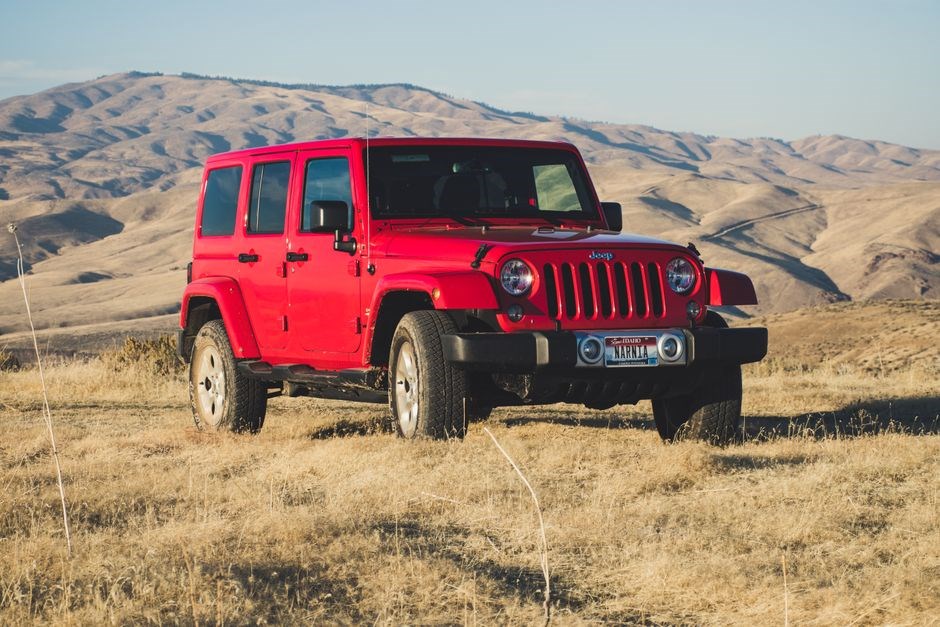
Shift Mechanism and Shifter Design
The JL manual uses a sturdy shift rail and selector lever, offering smooth gear changes. Optional Speed Dawg 8‑ball knob.
Pivot lever feel confidence tough climbs!
Shift Rails, Selector, and Shifter Knob Options
The JL 6‑speed manual’s shift rails are forged from high‑strength steel, providing a rigid platform that resists flex during aggressive off‑road use. The selector lever is engineered with a smooth pivot point and a tactile detent that offers a clear “click” for each gear, reducing the chance of missed shifts. Many owners opt for aftermarket shifter knobs such as the Speed Dawg 8‑ball, which adds a subtle height increase and a more ergonomic grip. Other popular choices include the classic “tall” knob for a taller feel or a lightweight aluminum option that keeps the overall weight down. Regardless of the knob, the shifter’s internal geometry remains unchanged, ensuring consistent shift feel across all gear ratios. —extra!
The shift rail is robust and the selector lever is smooth. The combination of a durable rail, and precise selector, and customizable knob makes the JL manual favorite for trail adventures. This configuration offers a shift feel, making it suitable for both commuting and demanding excursions, while maintaining durability!
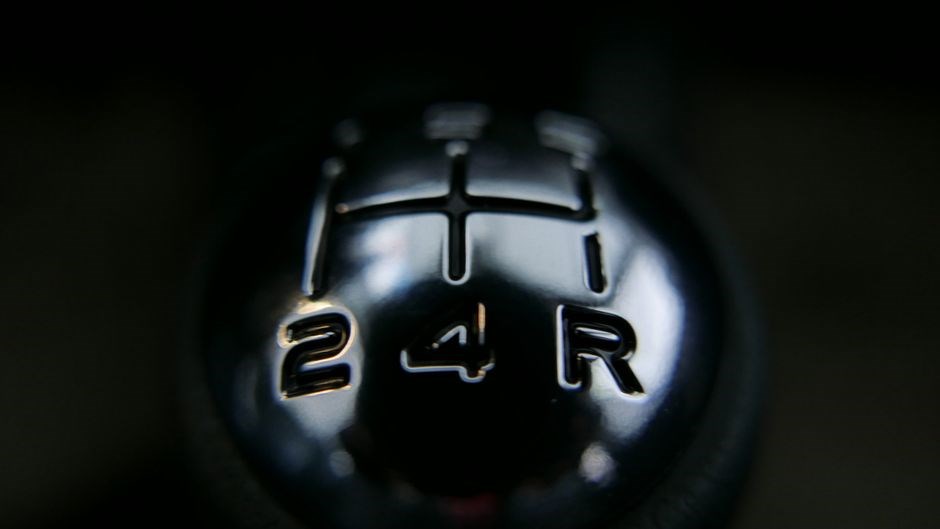
Engine Compatibility and Transmission Pairings
The JL 6‑speed pairs with 3.6L V6, 4.0L V6, 4.0L V8, and 6.4L V8 engines, offering smooth torque transfer and off‑road capability. Compatibility ensures optimal performance across all JL models. for on‑road and off‑road.
3.6L V6, 4.0L V6, 4.0L V8, and 6.4L V8 Configurations
The JL 6‑speed pairs with four engines: the 3.6‑liter V6 (285 hp), the 4.0‑liter V6 (285 hp), the 4.0‑liter twin‑turbo V8 (440 hp, 480 lb‑ft), and the 6.4‑liter naturally aspirated V8 (380 hp, 420 lb‑ft). All share the same gear ratios and 4.11:1 final drive, ensuring balanced torque for off‑road and on‑road use. The transmission’s clutch pack handles the V8’s peak torque with minimal touchiness, while the shift rails remain robust across all speeds. Maintenance is simplified: the same selector, shift linkage, and final drive are used, and the 7‑year, million‑mile warranty covers internal components. Owners report reliable shifting and consistent performance, making the JL 6‑speed a popular choice for both trail‑heavy duty and daily driving. Owners note that the transmission’s torque converter and final drive ratios allow for efficient power delivery, and the robust clutch pack ensures longevity even under heavy off‑road use. The JL 6‑speed’s design also supports aftermarket upgrades, such as larger shift linkages and performance clutches, without compromising reliability!!
Common Transmission Issues and Reliability
Shift rail wear, clutch touchiness, and occasional failure are reported. Most owners note smooth operation, but early wear on shift rails can cause rough shifts. Regular fluid changes extend life. Reliability OK!!
Shift Rail Wear, Clutch Touchiness, and Failure Modes
Shift rail wear is common in JL 6‑speed transmissions, especially after off‑road use. Burrs or misalignments can cause rough, delayed, or stuck shifts. Inspecting rails during service catches early wear before a gear lockup. Forums note that re‑grinding or replacing rails restores smooth operation at a lower cost than a rebuild. This wear can increase shift effort and delay gear changes.
Clutch touchiness is another frequent complaint. JL’s clutch packs handle high torque, but the initial bite can feel overly sensitive for drivers used to progressive engagement. Adjusting pedal travel or installing a higher‑quality clutch kit can mitigate the issue. A slight increase in pedal travel can improve feel. Proper lubrication and regular inspection of the clutch disc are essential.
Failure modes range from minor to catastrophic. Minor issues often involve a worn shift rail or slipping clutch. Catastrophic failures arise from worn rails, a failed clutch disc, and a damaged torque converter. Symptoms include sudden loss of gear engagement, complete lockup, or a clunk when shifting. Diagnostics involve checking fluid contamination, inspecting shift linkage for binding, and reading fault codes. Regular fluid changes and timely rail inspection are key to preventing these failures. Clean fluid keeps gears running smoothly.!!
Maintenance Practices and Service Intervals
Regularly Change fluid every 30k miles, replace check valve at 60k, align coupling at 90k. Follow schedule for longevity. Inspect shift rails, replace clutch if slippage, and service torque converter quarterly!!
Fluid Changes, Check Valve Replacement, and Coupling Alignment
Routine maintenance of the JL 6‑speed manual starts with a fluid change every 30,000 miles or 24 months, whichever comes first. Use the OEM‑specified fluid (JWL‑5) and replace the filter each time. The check valve, on the rear output shaft, should be inspected and replaced at 60,000 miles to avoid pressure loss. A faulty valve can cause sluggish shifts or transmission failure. Coupling alignment is essential; at 90,000 miles or when shift feel changes, have it checked for wear or misalignment. Misaligned couplings increase gear slippage and clutch wear. Technicians use a dial indicator to match the coupling’s centerline to the input shaft within tolerances; Regularly inspect fluid color and level; discolored or burnt fluid warrants immediate replacement. Following this schedule preserves the transmission’s longevity, off‑road performance, and resale value.
Check fluid quarterly, inspect shift linkage play, and service the clutch at 120,000 miles. Keep warranty logs.
Maintain logs for warranty claim
Performance Enhancements and Upgrades
Speed Dawg 8‑ball knobs raise shifter height, improving ergonomics. Extended shift linkages reduce play, offering crisp gear changes. Aftermarket clutches enhance bite and reduce touchiness, boosting off‑road performance. 2026
Speed Dawg 8-Ball Knob, Extended Shift Linkage, and Aftermarket Clutches
Speed Dawg’s 8‑ball knob replaces the factory shifter, offering a taller, more ergonomic grip that many owners report improves shift precision and reduces fatigue on long off‑road excursions. The knob’s 1.5‑inch diameter provides a comfortable bite, while its matte finish resists glare in bright sunlight. Extended shift linkages lengthen the mechanical path between the shifter and the transmission’s shift rails. This modification eliminates slack, allowing for quicker, more decisive gear changes and reducing the likelihood of missed shifts under heavy load. Aftermarket clutches—such as the 3‑way or 4‑way designs from reputable brands—introduce higher friction materials and reinforced pressure plates. These clutches improve bite, reduce touchiness, and increase overall durability, especially when paired with a 3.6‑liter V6 or a 4.0‑liter V8. Together, these upgrades create a cohesive system that enhances both daily drivability and extreme off‑road performance, making the JL 6‑speed a more versatile platform for enthusiasts seeking a refined, responsive driving experience!
Remanufactured and Rebuilt Transmission Options
NSG370 6‑speed manuals are fully remanufactured, offering a 7‑year, million‑mile warranty and free core return shipping. They fit 2012‑2018 Wrangler 3.6L V6 models, ensuring reliability and resale value. 2026 2026
NSG370 6-Speed Manual Availability and Warranty Coverage
NSG370 6‑speed manuals, tailored for 2012‑2018 Wrangler 3.6L V6, are fully remanufactured by industry leaders. They feature a 7‑year, million‑mile warranty and free core return shipping, guaranteeing performance and peace of mind. Availability is high across North America and Europe, with distributors offering OEM‑grade parts and comprehensive installation support. Customers can also opt for extended warranty packages, covering clutch, torque converter, and gear set replacements. The remanufactured units undergo rigorous testing, including torque capacity checks, shift quality assessment, and leak prevention, ensuring they meet or exceed original factory specifications. With a focus on durability, these transmissions provide a cost‑effective alternative to new units while maintaining the rugged character expected from Jeep off‑road adventures. Customers report that the remanufactured units handle the same torque as new transmissions, with no noticeable shift feel differences, and the free core return shipping eliminates the need for costly core replacements during the warranty period. 2026sale!2026
Owner Experiences and Field Test Reports
Owners praise the 6‑speed’s smooth shifting and off‑road durability. Forums note the clutch’s touchiness but rewardable torque. Real‑world tests confirm consistent performance across varied terrains. and reliable longevitydaily
Forum Highlights, User Testimonials, and Real-World Feedback
Users across Jeep Wrangler forums consistently highlight the 6‑speed manual’s blend of performance and reliability. A frequent comment is the clutch’s touchiness, which, after a brief learning curve, delivers precise gear changes and a satisfying driving feel. Many reviewers praise the smoothness of the shift rails and the robust build that withstands off‑road demands. One forum user noted that the 6‑speed handled a 4.11:1 final drive with ease on a 4‑wheel‑drive Rubicon, while another shared a 2007 Sahara’s 6‑speed experience, citing consistent torque delivery and minimal maintenance over thousands of miles. Test reports from real‑world conditions—rocky trails, desert dunes, and city commutes—confirm the transmission’s versatility. Enthusiasts also discuss aftermarket upgrades, such as the Speed Dawg 8‑ball shifter knob, which improves ergonomics without compromising durability. Overall, the community’s consensus is that the JL 6‑speed manual offers dependable performance, a manageable learning curve, and a solid foundation for both everyday use and adventurous off‑road excursions., trusted;!!
Future Trends and Upcoming Transmission Technologies
Engineers are moving toward 8‑speed gearboxes, adding adaptive shift logic and electronic controls for smoother, quicker shifts. This tech promises better fuel economy and off‑road torque handling. And hybrid integration. now
Transition to 8-Speed, Adaptive Shift, and Electronic Controls
While the JL 6‑speed remains a favorite, Jeep’s roadmap hints at an 8‑speed successor. Engineers plan to embed adaptive shift logic that monitors throttle, terrain, and driver intent, allowing the gearbox to pre‑select optimal ratios. Coupled with an electronic shift actuating system, the new unit would reduce shift times, improve torque delivery, and enhance fuel efficiency. Early prototypes show a 1.4:1 final drive, a 0.78:1 first gear, and a 3.1:1 top gear, offering tighter low‑end engagement for off‑road climbs and smoother highway cruising. The transition also involves a new torque‑converter design that can lock up at higher RPMs, reducing parasitic losses. Jeep’s collaboration with major transmission OEMs ensures the 8‑speed will meet the 4‑wheel‑drive ruggedness standard while integrating with the 4xe hybrid platform. The result: a seamless blend of manual‑style control, electronic precision, and future‑proof durability. This evolution aligns with Jeep’s commitment to blend driving feel with efficiency, ensuring the Wrangler remains a benchmark for off‑road and rugged!! into the 2030s.