
Wilderness Long-Term Survival Guide: A Comprehensive Plan
This guide details essential skills for thriving off-grid, covering shelter, fire, water, food, and advanced techniques –
preparing you for sustained wilderness living and self-reliance.
I. Foundations of Long-Term Wilderness Survival
Establishing a robust foundation is paramount for prolonged wilderness survival. This begins with cultivating a resilient survival mindset – a positive outlook coupled with unwavering determination. Crucially, perform a thorough risk assessment, identifying potential dangers and proactively implementing mitigation strategies.
Understanding and applying the Rule of Threes is vital: three minutes without air, three hours without shelter in harsh conditions, three days without water, and three weeks without food. Prioritizing needs based on this rule ensures efficient resource allocation and maximizes chances of survival. Long-term success hinges on mental fortitude, careful planning, and a deep respect for the environment.
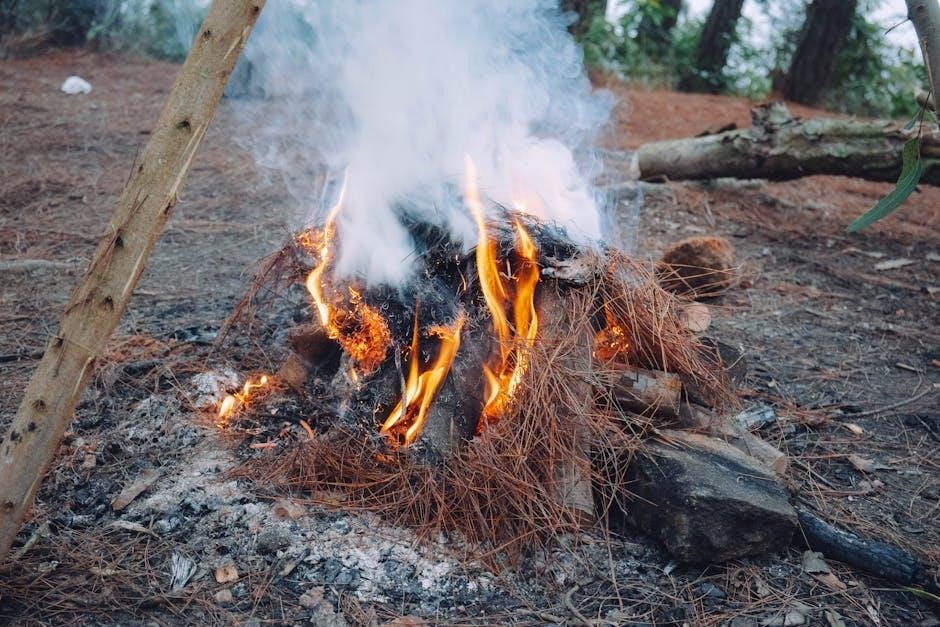
I. Foundations of Long-Term Wilderness Survival
Success relies on mindset, risk assessment, and prioritizing needs—air, shelter, water, food—following the critical Rule of Threes for sustained survival.
The Survival Mindset
Cultivating a resilient mindset is paramount for long-term wilderness survival. It’s about embracing adaptability, resourcefulness, and unwavering determination in the face of adversity. Panic is your enemy; calm, rational thought is your greatest ally.
Maintaining mental fortitude requires acknowledging fear, but refusing to be paralyzed by it. Positive self-talk, focusing on achievable goals, and celebrating small victories are crucial. Isolation presents unique psychological challenges, demanding proactive strategies to combat loneliness and maintain motivation.
A survival mindset isn’t simply about wanting to survive; it’s about believing you can, and actively working towards that outcome, even when circumstances seem insurmountable. It’s a proactive, not reactive, approach to life in the wild.
Risk Assessment and Mitigation
Proactive risk assessment is fundamental to long-term wilderness survival. Before establishing a camp, thoroughly evaluate potential hazards: weather patterns, terrain challenges, dangerous wildlife, and resource scarcity. Identify vulnerabilities and develop mitigation strategies for each.
This includes building shelters in safe locations, establishing early warning systems for approaching storms or predators, and learning to identify poisonous plants and animals. Redundancy is key – have backup plans for essential resources like water and fire.
Regularly reassess risks as the environment changes. Complacency breeds disaster; continuous vigilance and adaptation are vital for minimizing threats and maximizing your chances of long-term success.
Prioritizing Needs: The Rule of Threes
The “Rule of Threes” is a cornerstone of survival prioritization. You can survive approximately three minutes without air, three hours without shelter in a harsh environment, three days without water, and three weeks without food. This hierarchy dictates immediate action.
Securing breathable air is paramount, followed by protection from the elements. Dehydration rapidly impairs function, making water procurement critical. While food is essential, it’s a lower priority initially.
Understanding this rule allows for efficient resource allocation and focused effort. Address the most pressing needs first, then systematically work towards long-term sustainability, ensuring continued survival.
II. Essential Survival Skills
Essential Survival Skills
Mastering core skills is fundamental for prolonged wilderness survival. Shelter construction provides protection from the elements, crucial for conserving energy and preventing hypothermia. Firecraft offers warmth, cooking capabilities, water purification, and psychological comfort.
Reliable water procurement and purification are non-negotiable, preventing dehydration and disease. Food acquisition, through foraging, trapping, or hunting, ensures sustenance. These skills aren’t merely techniques; they represent a shift towards self-reliance and adaptation.
Proficiency in these areas transforms the wilderness from a threat into a potential home, enabling long-term thriving.
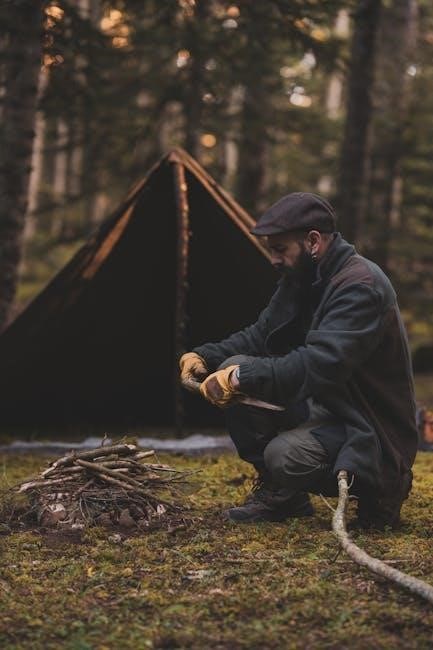
II. Essential Survival Skills
Core skills—shelter, fire, water, and food—are paramount for wilderness survival, enabling self-reliance and adaptation to thrive long-term in challenging environments.
Shelter Construction: Long-Term Habitats
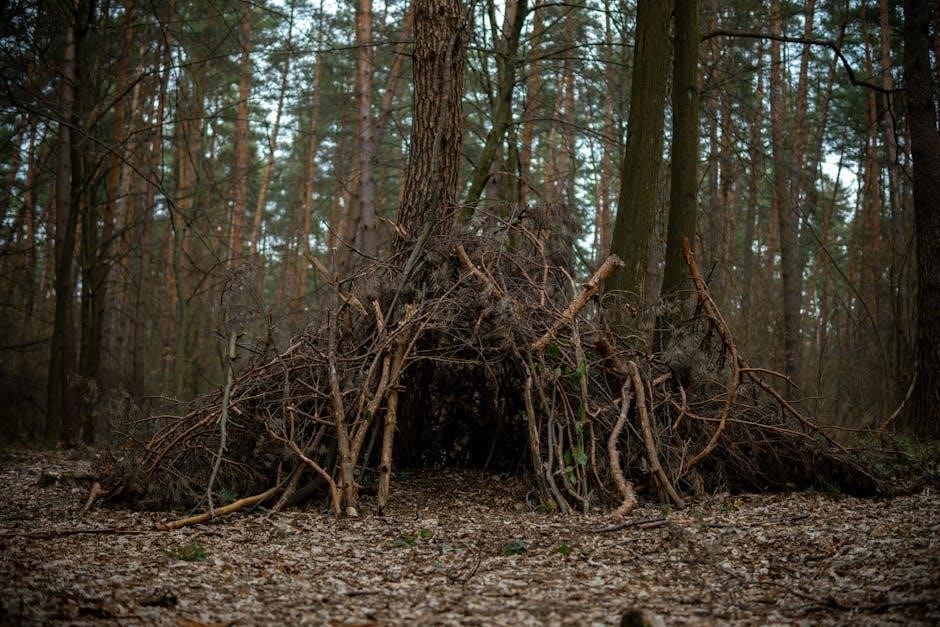
Establishing a durable shelter is crucial for long-term wilderness survival, moving beyond temporary structures to create a habitable space. Consider natural formations like caves or rock overhangs, enhancing them for weather protection. Debris huts offer excellent insulation, but require constant maintenance. Lean-tos are quicker to build, providing basic shelter from elements.
For sustained living, focus on more substantial constructions. Wickiups, utilizing bent saplings and woven materials, provide a robust framework. Earth lodges, partially subterranean, offer exceptional temperature regulation. Prioritize insulation – leaves, moss, and animal hides – to combat cold. A well-constructed shelter protects against weather, predators, and conserves energy, forming the foundation of a sustainable wilderness lifestyle. Proper site selection, considering drainage and resource availability, is equally vital.
Firecraft: Advanced Techniques & Fuel Management
Mastering firecraft extends beyond simply creating a flame; it’s about sustained combustion for cooking, warmth, and safety. Beyond friction-based methods like bow drills, explore flint and steel, or magnifying lenses. Understanding tinder – birch bark, bird nests, fatwood – is paramount. However, long-term survival demands efficient fuel management.
Categorize fuel: tinder for ignition, kindling for flame growth, and fuel wood for sustained burning. Deadfall, standing deadwood, and seasoned wood burn best. Create a woodlot, sustainably harvesting and storing fuel. Consider a Dakota fire hole for efficient, concealed burning. Protect your fire from wind and rain. Fire is a cornerstone of wilderness living, providing not only physical comfort but also psychological well-being.
Water Procurement & Purification: Sustainable Sources
Water is paramount for survival; locating and purifying it are critical skills. Beyond obvious sources like rivers and lakes, explore rainwater harvesting using tarps or natural depressions. Dew collection with cloths can supplement supplies. Locate springs and seeps, often indicated by lush vegetation. However, all water must be purified.
Boiling for one minute kills most pathogens. Construct a simple filter using charcoal, sand, and gravel. Consider solar disinfection (SODIS) using clear plastic bottles. Long-term, build a slow sand filter for sustainable purification. Understand watershed management to protect your water sources from contamination. Prioritize finding a reliable, renewable water supply.
Food Acquisition: Foraging, Trapping, and Hunting
Sustained survival demands consistent food sources. Begin with foraging – learn to identify edible plants in your region, but always confirm identification with absolute certainty to avoid poisoning. Supplement foraging with trapping small animals using snares and deadfalls. Construct various trap types for diverse prey. Hunting larger game requires skill and appropriate tools – bows, spears, or improvised firearms.
Prioritize calorie-dense foods. Preserve any surplus through drying or smoking. Understand animal behavior and tracking. Ethical harvesting and sustainable practices are crucial for long-term food security. Remember, consistent effort is key to avoiding starvation.
III. Advanced Wilderness Living
Transitioning beyond basic survival requires mastering advanced skills. Primitive tool making – crafting stone tools, bone needles, and wooden implements – expands capabilities. Cordage and fiber arts, utilizing natural materials like bark and plant fibers, provide essential binding and weaving resources. Wilderness first aid evolves into long-term care, managing injuries and illnesses with limited supplies.
Navigation without technology demands celestial observation and terrain association. These skills enable efficient travel and resource location. Mastering these advanced techniques transforms a survivor into a self-sufficient wilderness dweller, capable of thriving long-term.
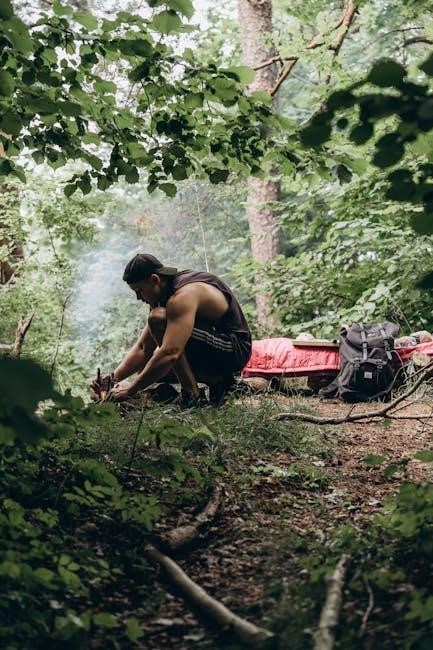
III. Advanced Wilderness Living
Elevate your skills with primitive tool crafting, cordage, advanced first aid, and navigation—essential for sustained, independent living in the wilderness.
Primitive Tool Making: Stone, Bone, and Wood
Mastering primitive tool creation is paramount for long-term wilderness survival, moving beyond reliance on manufactured items. Stone knapping allows for crafting sharp cutting tools, projectile points, and scrapers from readily available materials like flint or obsidian. Bone provides durable material for needles, awls, and fishhooks, crucial for clothing repair and food acquisition.
Woodworking skills enable the construction of digging sticks, levers, and structural components for shelters. Learning to identify suitable wood types and employing techniques like fire-hardening significantly extends tool lifespan. These skills aren’t merely about replicating tools; they represent a deep understanding of material properties and resourcefulness, fostering self-sufficiency and adaptability in a wilderness setting.
Cordage and Fiber Arts: Natural Materials
The ability to create cordage from natural fibers is fundamental to wilderness living, enabling countless essential tasks. Plants like nettle, dogbane, and inner tree bark yield strong fibers for ropes, snares, and lashing materials. Processing these fibers involves retting, stripping, and twisting – skills demanding patience and practice.
Fiber arts extend beyond cordage to include weaving baskets for gathering, constructing mats for flooring, and fashioning clothing from plant or animal fibers. Mastering these techniques reduces reliance on external supplies and provides sustainable solutions for shelter, storage, and personal protection. Understanding fiber properties and weaving patterns is key to creating durable and functional items.
Wilderness First Aid: Long-Term Care
Sustained survival necessitates advanced first aid knowledge beyond immediate trauma care. Long-term care focuses on managing chronic conditions, preventing infection, and utilizing natural remedies. Identifying medicinal plants for wound care, pain relief, and digestive issues becomes crucial when conventional medicine is unavailable.
Splinting fractures with natural materials, creating poultices for inflammation, and understanding sanitation practices to avoid disease are vital skills. Knowledge of herbal antibiotics and antiseptics can address infections. Furthermore, preventative measures – maintaining hygiene, proper nutrition, and avoiding hazards – are paramount for long-term health in a wilderness setting.
Navigation Without Technology: Celestial & Terrain
Reliance on technology is unsustainable long-term; mastering traditional navigation is essential. Celestial navigation utilizes the sun, moon, and stars to determine direction and latitude. Learning to identify constellations and understand their movements provides a reliable compass. Terrain association involves memorizing landmarks, understanding contour lines, and recognizing natural patterns.
Creating mental maps, observing subtle environmental cues – like prevailing wind direction or moss growth – and tracking animal trails are valuable skills. Combining celestial and terrain-based methods offers redundancy and accuracy. Practice and observation are key to developing proficiency in navigating without modern tools.
IV. Sustaining Long-Term Survival
Long-term survival demands resourcefulness beyond immediate needs; establishing sustainable systems is crucial. Food preservation – drying, smoking, and proper storage – prevents spoilage and ensures a consistent food supply. Seed saving allows for future harvests, fostering basic agriculture and reducing reliance on foraging. Small-scale animal husbandry, like raising chickens or rabbits, provides protein and valuable resources.
Efficient resource management, minimizing waste, and understanding ecological cycles are paramount. Creating closed-loop systems, where waste becomes a resource, enhances sustainability. Long-term planning and consistent effort are vital for thriving, not just surviving, in the wilderness.

IV. Sustaining Long-Term Survival
Effective preservation techniques, seed saving, and small-scale animal husbandry are vital for a lasting food supply, ensuring resilience in the wilderness.
Food Preservation Techniques: Drying, Smoking, & Storage
Securing a consistent food source is paramount for long-term wilderness survival, and preservation is key. Drying, utilizing sun and wind, reduces moisture, inhibiting bacterial growth in meats and plants. Smoking adds flavor while further preserving food, often employing hardwoods for optimal results.
Proper storage is equally crucial; elevated caches protect against rodents and insects, while airtight containers minimize spoilage. Root cellars, if feasible, offer cool, stable conditions for vegetables. Understanding local climate and utilizing natural materials are essential for effective, sustainable food storage. Careful planning and consistent effort will ensure a reliable food supply throughout the seasons, bolstering your long-term resilience.
Seed Saving and Basic Agriculture
Transitioning from foraging to cultivation offers a sustainable food supply, demanding seed saving expertise. Selecting robust plants and collecting mature seeds ensures future harvests, adapting varieties to your specific environment. Basic agriculture involves clearing land, preparing soil, and employing companion planting for increased yields.
Simple irrigation systems, utilizing gravity and natural water sources, are vital. Understanding crop rotation prevents soil depletion and pest buildup. Protecting crops from wildlife requires ingenuity – fences, scarecrows, and natural repellents. Seed saving and agriculture represent a commitment to long-term self-sufficiency, transforming you from a survivor to a steward of the land.
Animal Husbandry: Small-Scale Options
Supplementing foraged and cultivated foods with animal protein enhances long-term survival prospects. Small-scale options, like rabbits, chickens, or goats, are manageable with limited resources. Constructing secure enclosures protects livestock from predators, requiring robust materials and diligent maintenance.
Efficient foraging for animal feed minimizes reliance on cultivated crops. Understanding basic animal health and providing preventative care is crucial. Utilizing all parts of the animal – meat, hides, bones – maximizes resourcefulness. Animal husbandry provides a sustainable protein source, contributing to a balanced diet and overall resilience in a wilderness setting.
V. Adapting to the Environment
Successful long-term survival hinges on deep environmental understanding. Identifying local flora and fauna – edible plants, medicinal herbs, potential dangers – is paramount. Seasonal shifts dictate strategy; anticipate changes in food availability, weather patterns, and animal behavior.
Accurate weather prediction, utilizing natural indicators, allows proactive preparation for storms or extreme temperatures. Adapting shelter, food storage, and activity schedules to the environment minimizes risks. Observing animal migration patterns can reveal resource locations. Mastering environmental adaptation transforms the wilderness from a threat into a sustainable home.
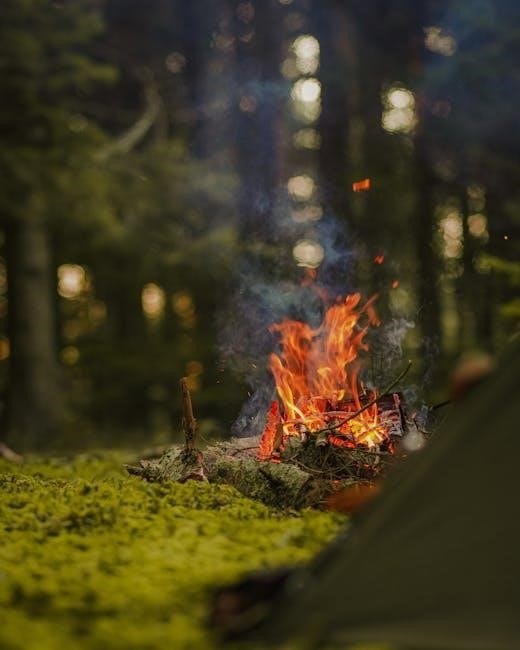
V. Adapting to the Environment
Thrive by understanding local ecosystems, predicting weather, and adjusting strategies seasonally – turning environmental knowledge into a sustainable survival advantage.
Understanding Local Flora and Fauna
Deep knowledge of plant and animal life is paramount for long-term survival. Identifying edible, medicinal, and poisonous plants prevents starvation and illness, while recognizing animal tracks and behaviors aids in hunting and avoiding danger.
Learn to distinguish between beneficial and harmful species within your specific environment. This includes understanding seasonal plant cycles for foraging, and animal migration patterns for sustainable hunting.
Observe how local fauna utilize resources; this provides valuable insights into food and water sources. Respect the ecosystem – sustainable harvesting ensures long-term resource availability. Detailed field guides and careful observation are essential tools for building this crucial understanding.

Seasonal Considerations: Adapting Strategies
Wilderness survival demands adapting to changing seasons. Summer offers abundant foraging, but requires water conservation and sun protection. Autumn brings harvest opportunities and preparation for colder months – focus on food preservation and shelter reinforcement.
Winter necessitates robust shelter, efficient fire management, and knowledge of animal tracking in snow. Spring presents challenges of flooding and limited food availability, demanding careful resource management.
Adjust clothing, shelter construction, and food procurement strategies accordingly. Understanding microclimates within your environment is also vital. Anticipate seasonal shifts and proactively prepare to ensure continued survival throughout the year.
Weather Prediction and Adaptation
Accurate weather prediction is crucial for long-term wilderness survival. Observe cloud formations, wind direction, and animal behavior for short-term forecasts. Learn to recognize patterns indicating approaching storms or temperature changes.
Adapt your shelter to withstand anticipated conditions – reinforce it against strong winds or insulate it for cold temperatures. Adjust fire-building techniques for wet or windy weather.
Stockpile extra fuel and food in anticipation of prolonged storms. Understanding local weather patterns and being prepared to adapt your strategies will significantly increase your chances of survival.
VI. Psychological and Social Aspects
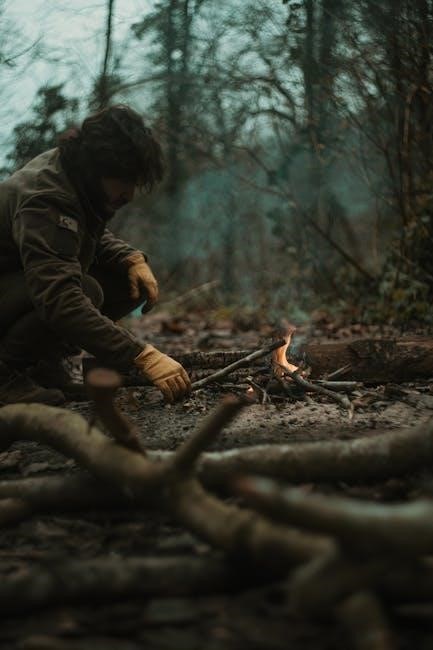
Long-term isolation presents significant psychological challenges. Maintaining mental health requires establishing routines, setting achievable goals, and practicing mindfulness. Combat loneliness through journaling, creative expression, or simply acknowledging your feelings.
If surviving with a group, strong dynamics and clear leadership are vital. Establish roles, communication protocols, and conflict resolution strategies.
Respect individual needs and foster a sense of community. Recognizing the psychological toll of survival and proactively addressing it is as crucial as mastering physical skills.
VI. Psychological and Social Aspects
Mental fortitude and group cohesion are paramount for long-term survival; address isolation, establish leadership, and nurture community to thrive in the wilderness.
Maintaining Mental Health in Isolation
Prolonged solitude presents significant psychological challenges. Cultivating mental resilience is as crucial as mastering survival skills. Establish a daily routine to provide structure and a sense of normalcy amidst the wilderness.
Practice mindfulness and meditation to manage stress and anxiety. Engage in creative outlets like journaling, carving, or storytelling to maintain cognitive function and emotional expression.
Set achievable goals, however small, to foster a sense of accomplishment. Remember past successes and focus on the positive aspects of your situation. Acknowledge and accept your emotions, rather than suppressing them.
Maintaining a strong connection to purpose and meaning is vital. Regularly reflect on your values and beliefs. If in a group, prioritize open communication and mutual support to combat feelings of loneliness and despair.
Group Dynamics and Leadership
Successful long-term survival often hinges on effective group collaboration. Clearly defined roles and responsibilities are paramount, minimizing conflict and maximizing efficiency. A strong leader should possess decisiveness, empathy, and the ability to foster a collaborative environment.
Open communication is essential; encourage all members to voice concerns and ideas. Establish a system for conflict resolution, prioritizing compromise and mutual respect. Shared decision-making builds trust and ownership.
Recognize and utilize individual strengths. Some may excel at foraging, others at shelter building.
Regularly assess group morale and address any emerging issues promptly. A cohesive and supportive group significantly increases the chances of long-term survival and well-being in a challenging wilderness setting.
VII. Long-Term Planning & Preparation
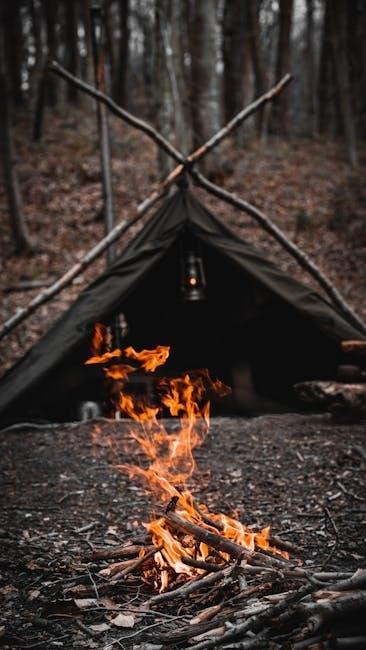
Establishing a sustainable camp is crucial for prolonged wilderness living. Prioritize a location with access to water, defensible terrain, and renewable resources. Construct durable shelters capable of withstanding seasonal changes. Implement robust food storage solutions to prevent loss to animals and spoilage.
Develop a detailed plan for resource management, including fuel wood collection and seed saving. Regularly assess and improve camp infrastructure.
Consider long-term health needs, including sanitation and waste disposal.
Continuous learning and adaptation are vital. A well-prepared camp, coupled with proactive planning, dramatically increases the likelihood of thriving in a long-term survival scenario.
VII. Long-Term Planning & Preparation
Strategic camp establishment, resource management, and continuous improvement are key. Planning ensures sustainability, resilience, and a higher chance of thriving long-term in the wild.
Establishing a Sustainable Camp
A truly sustainable camp transcends temporary shelter; it’s a carefully considered ecosystem designed for long-term habitation. Location is paramount – proximity to water, defensibility, and resource availability are crucial. Prioritize building robust, weather-resistant structures, moving beyond basic lean-tos to more permanent dwellings.
Implement waste management systems to prevent disease and maintain hygiene. Cultivate a food source through basic agriculture and seed saving, supplementing foraging efforts. Develop efficient wood-gathering and storage strategies for consistent fuel. Consider animal husbandry on a small scale for protein and resources.
Finally, establish clear zones within the camp – sleeping, cooking, work, and storage – to maximize efficiency and organization. A well-planned camp isn’t just a place to survive; it’s a foundation for a thriving wilderness life.