Lakshmi Stotram in Telugu PDF: A Comprehensive Guide
Discover the divine Gupta Lakshmi Stotram in Telugu, a revered hymn praising the eight forms of Lakshmi․ This guide explores authentic PDF sources,
recitation techniques, and the stotram’s profound significance within Lakshmi Puja traditions․
Lakshmi, the radiant Hindu goddess, embodies wealth, prosperity, beauty, and spiritual enlightenment․ Revered as the consort of Vishnu, she’s central to Vedic traditions and mythology, often depicted with lotus flowers and gold coins symbolizing abundance․ The Lakshmi Stotram, particularly in its Telugu rendition, serves as a powerful devotional hymn dedicated to her divine presence․
This Stotram isn’t merely a recitation; it’s a pathway to connect with Lakshmi’s energy, seeking blessings for material and spiritual well-being․ The Telugu PDF versions make this ancient hymn accessible to a wider audience, preserving its verses for generations․ The Gupta Lakshmi Stotram, specifically, is an eight-verse composition praising the eight forms – the Ashtalakshmi – each representing a unique aspect of the goddess’s power․
Understanding Lakshmi’s significance and the Stotram’s structure is crucial for a meaningful devotional practice․ Whether seeking prosperity, courage, or simply a deeper connection with the divine feminine, the Lakshmi Stotram in Telugu offers a potent tool for spiritual growth and fulfillment․
Understanding the Significance of Lakshmi
Lakshmi’s significance extends far beyond mere material wealth; she represents auspiciousness, purity, and the potential for spiritual enlightenment․ As the divine consort of Vishnu, she embodies Shakti – the dynamic energy that drives creation and sustains the universe․ Her presence signifies not just abundance of possessions, but also a richness of the soul and a harmonious life․
The Lakshmi Stotram, available in Telugu PDF format, taps into this profound symbolism․ Reciting the stotram is believed to invoke Lakshmi’s blessings, removing obstacles and fostering growth on all levels․ It’s a recognition that true prosperity encompasses not only financial security but also inner peace, strong relationships, and a sense of purpose․
In contemporary society, Lakshmi’s relevance remains strong, embodying universal aspirations for well-being and harmony․ The Telugu versions of the Stotram ensure this ancient wisdom remains accessible, offering a timeless practice for cultivating abundance and connecting with the divine feminine principle․
The Eight Forms of Lakshmi (Ashtalakshmi)
The Lakshmi Stotram, often found in Telugu PDF versions, beautifully encapsulates the eight distinct forms of Lakshmi, collectively known as Ashtalakshmi․ Each form represents a unique aspect of abundance and divine grace, offering specific blessings to devotees․
These forms include Adi Lakshmi, the primordial goddess; Dhanya Lakshmi, bestowing prosperity and bountiful harvests; Dhairya Lakshmi, granting courage and strength; and Gaja Lakshmi, symbolizing regal wealth and grace․ Further forms are Sri Lakshmi, embodying beauty and splendor, alongside others representing various facets of fortune․
Understanding these eight forms is crucial when studying the Stotram in Telugu․ Each verse often focuses on a specific manifestation of Lakshmi, allowing devotees to connect with the goddess on a deeper level․ The Telugu PDFs frequently include descriptions and visualizations of each form, enhancing the devotional experience and aiding comprehension․
Adi Lakshmi: The Primordial Goddess
Adi Lakshmi, the first form of Lakshmi detailed within the Lakshmi Stotram and often highlighted in Telugu PDF resources, represents the goddess in her purest, primordial state․ She is the origin of all other forms, embodying the universe’s potential for prosperity and creation․ Descriptions within the Telugu texts emphasize her serene beauty and foundational role․
The verses dedicated to Adi Lakshmi frequently depict her as eternally youthful and radiant, a source of unwavering spiritual energy․ The Telugu PDFs often include the shloka “adilakshmi samanasa vadita sadari madhavi,” praising her delightful presence and connection to the moon․
Devotees seeking foundational blessings – stability, spiritual growth, and the removal of obstacles – often focus their devotion on Adi Lakshmi․ Studying her depiction within the Stotram’s Telugu versions provides a deeper understanding of her significance as the ultimate source of all auspiciousness and well-being․
Dhanya Lakshmi: Goddess of Prosperity and Harvest
Dhanya Lakshmi, a vital aspect of the Ashtalakshmi celebrated in the Lakshmi Stotram – readily available in Telugu PDF formats – embodies abundance, particularly concerning agricultural yields and material prosperity․ She ensures plentiful harvests and the nourishment of all beings․ Telugu texts often portray her with sheaves of rice or overflowing granaries, symbolizing her generous nature․
The verses dedicated to Dhanya Lakshmi within the Stotram frequently emphasize her power to eliminate poverty and suffering․ The shloka “dhanyalakshmi ayikalikalmash nashini kamini” is commonly found in Telugu PDFs, highlighting her ability to destroy impurities and grant fulfillment․
Devotees seeking financial stability, successful ventures, and a secure livelihood often invoke Dhanya Lakshmi․ Studying her representation in the Telugu versions of the Stotram offers insights into cultivating gratitude for life’s blessings and fostering a mindset of abundance․
Dhairya Lakshmi: Goddess of Courage and Strength
Dhairya Lakshmi, a crucial form within the Ashtalakshmi and prominently featured in the Lakshmi Stotram available in Telugu PDF versions, represents unwavering courage, fortitude, and inner strength․ She empowers devotees to overcome obstacles and face life’s challenges with resilience․ Her blessings extend beyond physical bravery, encompassing mental and emotional stability․
The Telugu verses dedicated to Dhairya Lakshmi often depict her as a powerful warrior, capable of vanquishing negativity and fear․ The phrase “jayavarvarshini vaishnavi bhargavi” frequently appears in Telugu PDFs, signifying her ability to bestow victory and protection․
Reciting the stanzas dedicated to Dhairya Lakshmi is believed to instill confidence, determination, and a steadfast spirit․ Individuals facing adversity, seeking to overcome anxieties, or embarking on difficult endeavors often seek her divine intervention through the Lakshmi Stotram, readily accessible in Telugu script and PDF format․
Gaja Lakshmi: Goddess of Elephantine Grace and Wealth
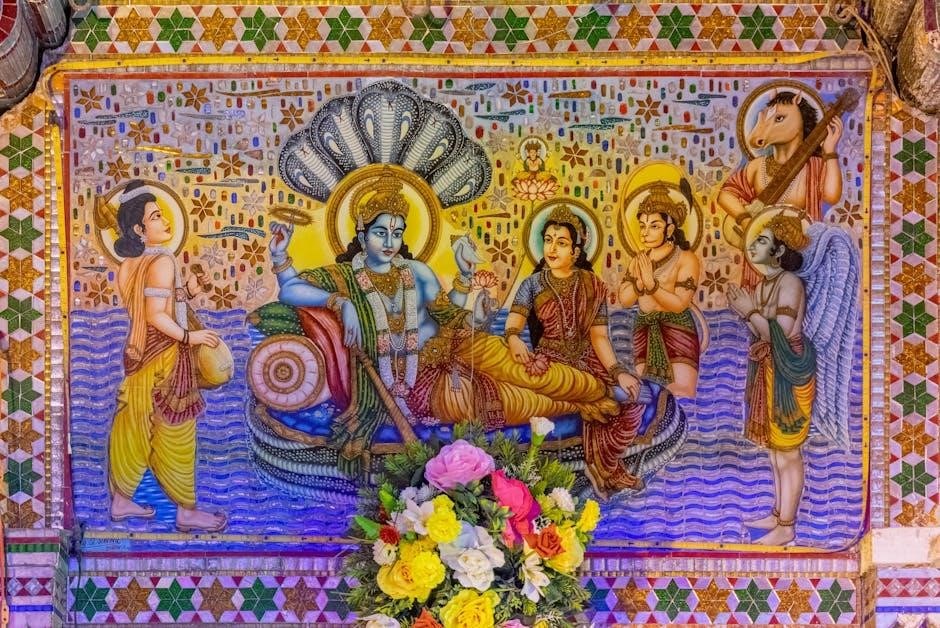
Gaja Lakshmi, a significant aspect of the Ashtalakshmi, embodies prosperity, abundance, and regal splendor, frequently depicted with elephants – symbols of wealth and royalty․ The Lakshmi Stotram in Telugu PDF format dedicates verses to her unique form, highlighting her association with fertility and growth․ Her blessings are sought for agricultural prosperity and overall financial well-being․
Within Telugu devotional texts and PDFs, Gaja Lakshmi is often portrayed showering gold coins from elephants, visually representing the continuous flow of wealth․ The phrase “jaya jaya durgati nashini” is commonly found in the stotram’s Telugu verses, signifying her power to eliminate suffering and bestow auspiciousness․
Devotees seeking financial stability, agricultural success, or a life of abundance often recite the stanzas dedicated to Gaja Lakshmi․ Accessing the Lakshmi Stotram in Telugu PDF allows for focused worship and connection with this benevolent goddess, fostering a sense of security and prosperity․
Sri Lakshmi: Goddess of Beauty and Splendor
Sri Lakshmi, representing the pinnacle of beauty, grace, and splendor, is a central figure within the Ashtalakshmi and prominently featured in the Lakshmi Stotram available in Telugu PDF versions․ She embodies not only material wealth but also inner radiance and spiritual fulfillment․ Her depiction often includes a lotus, symbolizing purity and divine birth, and gold coins, representing prosperity․
The Telugu stotram verses dedicated to Sri Lakshmi emphasize her captivating charm and the power to bestow auspiciousness and joy․ Reciting these verses, found within accessible Telugu PDF resources, is believed to enhance one’s own inner beauty and attract positive energies․ She is the consort of Vishnu, representing the perfect union of divine power and grace․
Devotees seeking harmony, aesthetic appreciation, and a life filled with beauty often focus their worship on Sri Lakshmi․ The Lakshmi Stotram in Telugu PDF provides a powerful medium for connecting with her divine energy and cultivating inner and outer radiance․
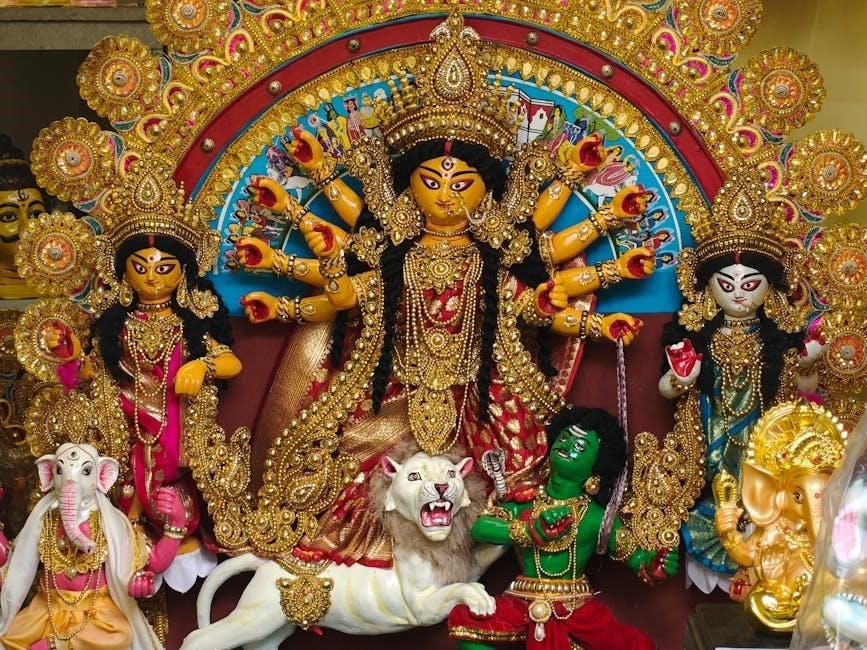
The Gupta Lakshmi Stotram – An Overview
The Gupta Lakshmi Stotram, a highly revered hymn dedicated to the eight forms of Lakshmi, is widely available in Telugu PDF format for devotional practice․ This ancient stotram, often found online through various sources, is an eight-verse composition praising the goddess’s diverse manifestations and blessings․ It’s considered a potent mantra for attracting prosperity, peace, and spiritual growth․
Telugu PDF versions of the stotram frequently include transliteration, translation, and explanations of each verse, aiding devotees in understanding its profound meaning․ The stotram’s structure systematically addresses each aspect of Lakshmi – Adi, Dhanya, Dhairya, Gaja, Sri, Vijaya, Ajita, and Samriddhi – highlighting her multifaceted nature․
Many individuals utilize the Telugu PDF to facilitate daily recitation, believing it fosters a deeper connection with the divine feminine energy․ The stotram’s accessibility in Telugu makes it particularly valuable for devotees fluent in the language, enhancing their devotional experience․
Origin and Author of the Gupta Lakshmi Stotram
Determining the precise origin and author of the Gupta Lakshmi Stotram remains a subject of scholarly discussion, though its association with the Gupta period (circa 4th to 6th centuries CE) is widely accepted․ While a definitive author isn’t conclusively known, tradition often attributes the stotram to the sage Durvasa, renowned for his potent mantras and devotion to Lakshmi․ Some texts suggest a connection to the poet and devotee, Bhaskara Rayudu․
The stotram’s emergence during the Gupta era aligns with a flourishing of Hindu art, literature, and devotional practices․ The availability of the Lakshmi Stotram in Telugu PDF format reflects its enduring popularity and transmission across generations․ The Telugu translations and commentaries found within these PDFs often acknowledge the traditional attribution to Durvasa, while recognizing the complexities of tracing its exact authorship․
Regardless of its precise origins, the stotram’s power and devotional significance are undeniable, continuing to inspire countless devotees seeking Lakshmi’s blessings․
Structure of the Stotram: Eight Verses
The Gupta Lakshmi Stotram is meticulously structured into eight distinct verses, each dedicated to glorifying one of the eight forms, or Ashtalakshmi․ These verses, readily available in Telugu PDF versions, follow a consistent pattern of praise and invocation․ Each verse begins with a descriptive epithet of the specific Lakshmi form, followed by poetic verses detailing her attributes, powers, and blessings․

The Telugu PDFs often present each verse with transliteration, translation, and sometimes, detailed commentaries explaining the nuances of the Sanskrit and Telugu verses․ This structure allows devotees to deeply understand the significance of each form – Adi Lakshmi, Dhanya Lakshmi, Dhairya Lakshmi, Gaja Lakshmi, Sri Lakshmi, and others․
The verses are designed for sequential recitation, building a comprehensive and powerful invocation of Lakshmi’s multifaceted grace․ The consistent structure aids memorization and facilitates a deeper connection with the goddess through focused devotion․
Key Themes and Mantras within the Stotram
The Gupta Lakshmi Stotram, found in Telugu PDF formats, revolves around core themes of prosperity, abundance, courage, and beauty – mirroring the diverse aspects of Lakshmi․ Central to the stotram are potent mantras invoking each form of the goddess, designed to attract specific blessings․ These mantras, often incorporating bija sounds and powerful Sanskrit phrases, are key to unlocking Lakshmi’s grace․
Recurring themes include the purification of negative energies (kalmash nashini), the bestowal of strength (jayavarvardhini), and the attainment of spiritual enlightenment․ The stotram emphasizes Lakshmi’s connection to Vishnu, highlighting the harmonious balance between material and spiritual well-being․
Telugu PDFs frequently include explanations of the mantras’ meanings and proper pronunciation, aiding devotees in effective recitation․ The stotram’s verses are not merely descriptive; they are active invocations, intended to manifest Lakshmi’s blessings in the practitioner’s life․
Benefits of Reciting the Lakshmi Stotram
Consistent recitation of the Lakshmi Stotram, readily available in Telugu PDF versions, is believed to yield substantial benefits․ Devotees report increased financial stability, improved prosperity, and the removal of obstacles hindering success․ The stotram fosters a positive mindset, attracting auspiciousness and good fortune into one’s life․
Beyond material gains, reciting the stotram cultivates inner peace, courage (dhairya), and spiritual growth․ It’s said to purify the heart, enhance devotion, and strengthen the connection with the divine feminine energy․ Regular practice can also alleviate stress, anxiety, and negative influences․
Telugu PDFs often detail specific benefits associated with each verse, tailored to the particular form of Lakshmi being invoked․ Ultimately, the stotram serves as a powerful tool for manifesting abundance – not just in wealth, but in all aspects of life, fostering harmony and well-being․
Finding Lakshmi Stotram in Telugu PDF Online
Numerous online resources offer the Lakshmi Stotram in Telugu PDF format․ A quick search reveals options from devotional websites and digital libraries․ Platforms hosting religious texts frequently provide downloadable PDFs of the Gupta Lakshmi Stotram and related Lakshmi Stotras, including those for Sri Lakshmi and Ashtalakshmi․
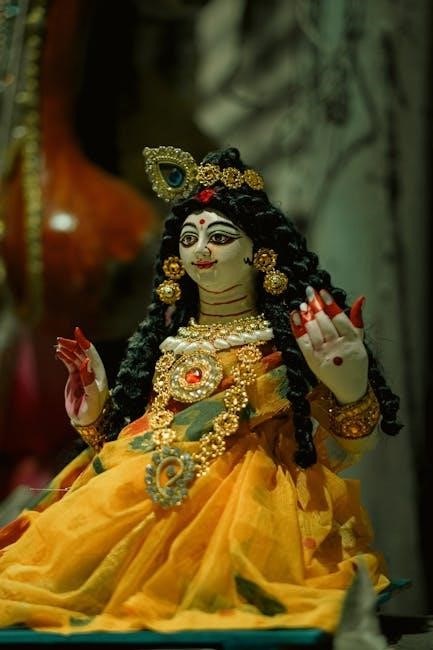
However, discerning authentic sources is crucial․ Look for PDFs originating from reputable organizations or individuals known for their expertise in Vedic scriptures․ Websites dedicated to Hindu traditions and spirituality are generally reliable․ Be cautious of unfamiliar sites and always verify the content’s accuracy․
Several sources, uploaded by devotees like Bharathi Bodapati, are available․ Remember to scan downloaded files with antivirus software․ Prioritize PDFs that include clear transliteration and translations to aid understanding and proper recitation․
Authentic Sources for Telugu PDF Downloads
Identifying trustworthy sources for the Lakshmi Stotram Telugu PDF is paramount․ Websites specializing in Hindu scriptures and devotional content often host verified versions․ Look for PDFs linked from established organizations dedicated to preserving and disseminating Vedic knowledge․ Digital archives of religious texts, maintained by respected institutions, are also excellent resources․
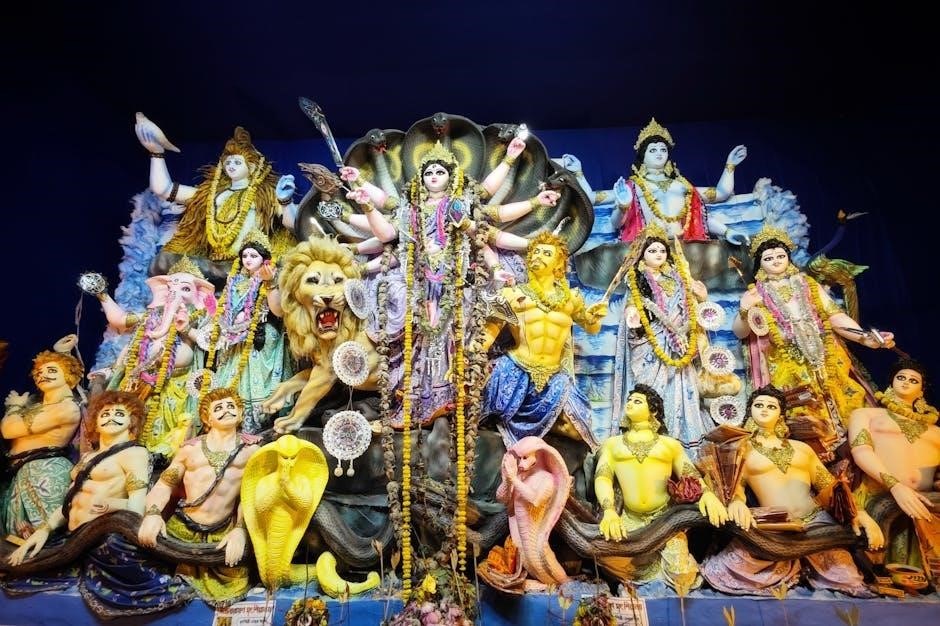
Specifically, explore platforms known for Telugu devotional literature․ Many temples and spiritual centers offer downloadable PDFs of important stotras, including those dedicated to Lakshmi․ Prioritize sources that provide not only the stotram text but also detailed explanations, transliterations, and translations․
Be wary of unverified uploads on general file-sharing sites․ Cross-reference content with known versions and consult with knowledgeable individuals if unsure․ Authentic PDFs will typically feature clear formatting and accurate representation of the original verses, like those detailing Adi Lakshmi and Dhanya Lakshmi․
Proper Recitation Techniques and Guidelines
Reciting the Lakshmi Stotram in Telugu demands reverence and adherence to traditional guidelines․ Begin with a purifying bath and wear clean, preferably white, attire․ Find a quiet, sacred space free from distractions․ Facing East or North, establish a clear intention – seeking Lakshmi’s blessings for prosperity and well-being․
Pronunciation is crucial; strive for accurate articulation of Telugu sounds, utilizing available transliterations as guides․ Maintain a consistent rhythm and melodic tone, focusing on the meaning of each verse․ Consider learning from an experienced teacher or utilizing audio recordings for correct intonation․
Offer a small offering – flowers, incense, or a sweet – before commencing․ Recite with devotion and concentration, visualizing Lakshmi’s divine form․ The Gupta Lakshmi Stotram, with its verses on Sri Lakshmi and Gaja Lakshmi, gains potency through sincere and mindful repetition․

Lakshmi Puja and the Role of the Stotram
The Lakshmi Stotram in Telugu holds a central place within Lakshmi Puja rituals, amplifying the devotional experience․ During Puja, after establishing the deity’s presence through invocation, reciting the stotram serves as a powerful offering of praise and supplication․
Each verse, detailing aspects like Adi Lakshmi and Dhanya Lakshmi, resonates with specific blessings․ The stotram’s recitation creates a sacred atmosphere, inviting Lakshmi’s divine energy into the space and the devotee’s heart․ It complements other Puja elements – offerings, mantras, and aarti – enhancing their efficacy․
Incorporating the Gupta Lakshmi Stotram, readily available in Telugu PDF format, into your Lakshmi Puja practice is believed to accelerate spiritual growth and manifest abundance․ It’s particularly significant during festivals like Diwali, fostering a deeper connection with the goddess and her blessings․